


13 Nov Rebuild-Ready Budget for a Used Westchester Grand: Fees, Parts, Timeline
Build a Smart Budget for a Rebuild-Ready Grand
Buying a used grand piano in Westchester can be a smart way to get a serious instrument without paying new prices, especially if you plan to rebuild it. The key is to build a budget that covers more than just the sale number. You also need to think about inspection, moving, parts, and how long the work will take before you can sit down and play.
Fall and early winter are popular seasons for this kind of project. People want a grand in the house before guests come over, or before a new year of lessons and practice. With a clear plan, you can choose a piano with good bones, get it into a trusted shop, and phase the work so the instrument is playable when it matters most.
Start with the Right Used Grand Piano in Westchester
The first budget choice is where the piano comes from. The price on the ad is only part of the story. A private sale grand that looks like a bargain can end up costing more than a well-vetted showroom piano once you add needed rebuilding work.
Common sources include:
- Showroom instruments that have already been checked and prepared
- Private sellers who are downsizing or moving
- Estates where the piano has sat for a long time
- Online listings with very limited details
A showroom piano is usually the lower-risk path. It has likely been inspected, played, and stored in a climate that is better for wood and action parts. With a private seller, you may not know how often the piano was serviced, how it was moved, or how it was stored.
Helpful pre-purchase questions include:
- What brand is it and how old is it?
- Has any major rebuild work been done before?
- Has the piano lived in a stable indoor space, not a garage or porch?
- Is there any written record of past repairs or rebuilds?
A rebuild-ready piano should have a solid structure, even if the tone is tired and the action feels uneven. You want an instrument that can respond well to new parts and skilled work, not one that is so far gone that almost every core part must be replaced.
Inspection and Evaluation Costs That Protect Your Budget
A careful inspection is one of the smartest early expenses you can plan for. It helps you avoid spending more later on a piano that was not a good candidate in the first place.
There are usually a few levels of evaluation you might budget for:
- In-showroom playing and visual check with a technician
- On-site assessments for private sellers or estate pianos
- More detailed written condition reports focused on rebuild potential
A rebuild focused inspection looks past the surface. It checks:
- Structural integrity of the soundboard, bridges, and pinblock
- Condition and wear of the action parts and key bushings
- Age and state of the strings and tuning pins
- Cabinet and finish, including veneer issues and hardware wear
Sometimes the best outcome is hearing, in clear language, that you should walk away. If the soundboard is cracked in the wrong places, the pinblock is too weak, or past work was done poorly, a rebuild may not make sense. An honest “no” in that moment can save you from years of frustration and unplanned costs.
When the news is good, the same inspection helps shape a focused rebuild plan. You can see what must be addressed now, what can wait, and how the choices match your goals as a player.
Planning for Transport, Setup, and Shop Time
Once you have chosen a piano, you need to plan how to get it safely from its current home into a workshop or your home. Moving a grand is not just a couple of strong backs and a truck. It is a careful process that protects the case, the plate, and all the moving parts inside.
Your budget should allow for details like:
- Local transport in Westchester, including from apartments or tight townhomes
- Extra care for stairs, sharp turns, and narrow doorways
- Seasonal issues such as wet leaves, rain, or early snow
When a piano arrives at a rebuilding shop, proper intake matters. We like to:
- Stabilize the instrument and let it settle in the new climate
- Do an initial bench evaluation with the action out of the piano
- Set up moisture control so the wood is not shocked by change
- Store it safely while the rebuild plan and schedule are finalized
Scheduling transport and shop time before the heart of winter reduces delays and keeps the project moving. It also lowers the risk of weather-related moving problems, which is helpful on Westchester roads when storms pass through.
Core Rebuilding Components, Parts, and Labor Decisions
Most of your long-term budget will go into the actual rebuild work. Here it helps to think in three main groups, which often take different shares of the total cost and time:
- Structural: soundboard, bridges, pinblock, plate work
- Mechanical: action parts, hammers, shanks, key bushings, damper system
- Cosmetic: cabinet refinish, bench, hardware, fallboard lettering
A full rebuild usually focuses on structure and action. This can give you a piano that feels and sounds like a much younger instrument. A partial rebuild may tackle the action and some cosmetic work while leaving certain original structural parts in place if they are still healthy. A targeted restoration might address just what is needed to make the piano dependable and musical for a modest playing level.
Parts and materials are another key choice. You might keep original-style parts where that makes sense, or choose premium replacements to refine touch and tone. Different hammer sets, for example, will shape how bright or warm the instrument sounds. The right combination depends on how and where you plan to use the piano.
A clear written rebuild proposal is important. It should spell out:
- Which parts will be replaced or repaired
- What labor steps are included in each phase
- What is optional versus strongly recommended
This helps prevent surprise charges and keeps everyone focused on the same musical outcome.
Building a Realistic Timeline From Purchase to First Performance
A used grand piano in Westchester does not go from living room to concert-ready overnight, especially if it is headed for serious rebuild work. It helps to think in seasons and phases.
A typical project flow might look like this:
- Initial search and inspections
- Decision and purchase
- Local transport into the shop
- Structural and action work
- First set of tuning and regulation
- Ongoing fine adjustments after the piano settles
If you start in late fall, the piano may spend part of winter in the shop while big structural and mechanical work is done. After that, the instrument can often return home in a very playable state. Final voicing and minor adjustments can happen over the next few months as the piano adjusts to its new setting.
We like to phase work so you get to play sooner. That often means:
- Getting the structure solid enough to hold tuning
- Bringing the action to a comfortable and even feel
- Saving certain cosmetic details or ultra-fine voicing for later visits
Try to line up the schedule with real life: family gatherings, a child’s recital, or new lessons. A rushed rebuild usually leads to compromises and repeat visits that are not satisfying for anyone. A thoughtful, steady plan turns your used grand into a long-term partner instead of a short-term project.
With clear expectations around inspection, transport, rebuilding choices, and timing, you can turn a promising used grand into a strong, reliable instrument that fits your home and your musical goals for many years.
What Grands Cost at Ford Piano Right Now

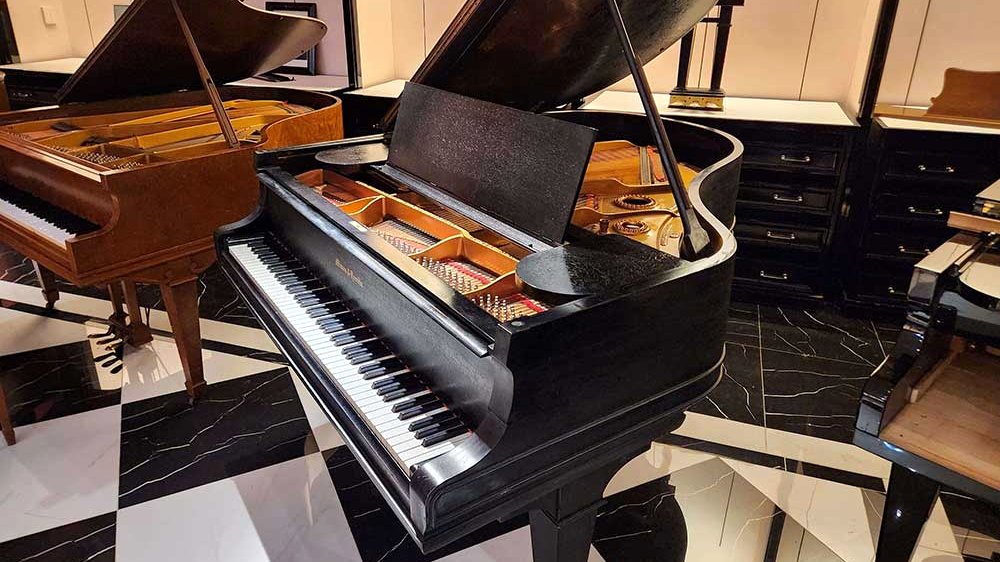
For a real reference point, here is what grands in our Yorktown Heights showroom were priced at in November 2026: a 4’9″ Baldwin grand at $2,500, a Yamaha C3 and a 5’4″ Knabe in burled walnut at $6,900 each, a Mason & Hamlin model A at $9,500, and a 7-foot Steinway model B at $39,500. Compare any project piano against these numbers, with the cost of the rebuild added in, to see whether the bargain really is one. Current prices are on our pianos for sale page.
Related guides
- Yorktown Heights Piano Rebuilding Costs: Biggest Repairs and How to Prioritize
- Hidden Risks of Cheap Used Grand Pianos in Westchester
- What Happens During a Complete Piano Rebuild
Bring Music Home With a Grand That Fits Your Space and Budget
If you are ready to find a piano that truly matches your playing and your room, explore our selection and discover the right used grand piano in Westchester for you. At Ford Piano, we carefully prepare each instrument so you can feel confident in its tone, touch, and long-term reliability. Reach out to us with your questions or to schedule a visit through our contact page, and we will help you compare options. Let us guide you to a piano you will be proud to play for years.
Frequently Asked Questions
What should I budget for when buying a used grand piano to rebuild in Westchester?
Budget for more than the purchase price, including a professional inspection, specialized piano moving, shop intake, parts, labor, and tuning or setup after the work is complete. The total depends on the piano's structural condition, the extent of rebuilding needed, and whether work is completed all at once or in phases.
How do I know if a used grand piano is worth rebuilding?
A rebuild-ready grand should have sound structural components, including a viable soundboard, bridges, plate, and pinblock. A piano technician can evaluate the action, strings, tuning pins, cabinet condition, and past repairs to determine whether rebuilding is a practical investment.
What is the difference between buying a used grand piano from a showroom and a private seller?
A showroom piano is generally lower risk because it has usually been inspected, played, and stored in a stable environment. Private-sale and estate pianos may cost less upfront, but they can have unknown maintenance history, storage damage, or moving-related problems that increase rebuild costs.
Do I need a piano inspection before buying a used grand piano?
Yes, an inspection can identify expensive issues before you buy, such as weak tuning pins, damaged bridges, serious soundboard problems, or poor-quality prior repairs. It also helps you prioritize which repairs are essential now and which improvements can wait.
How should I plan transportation for a used grand piano in Westchester?
Use professional piano movers who can safely handle the instrument's weight, legs, pedals, plate, and cabinet. Your moving budget should account for stairs, narrow hallways, apartment access, tight turns, weather conditions, and delivery to either your home or a rebuilding shop.
No Comments