


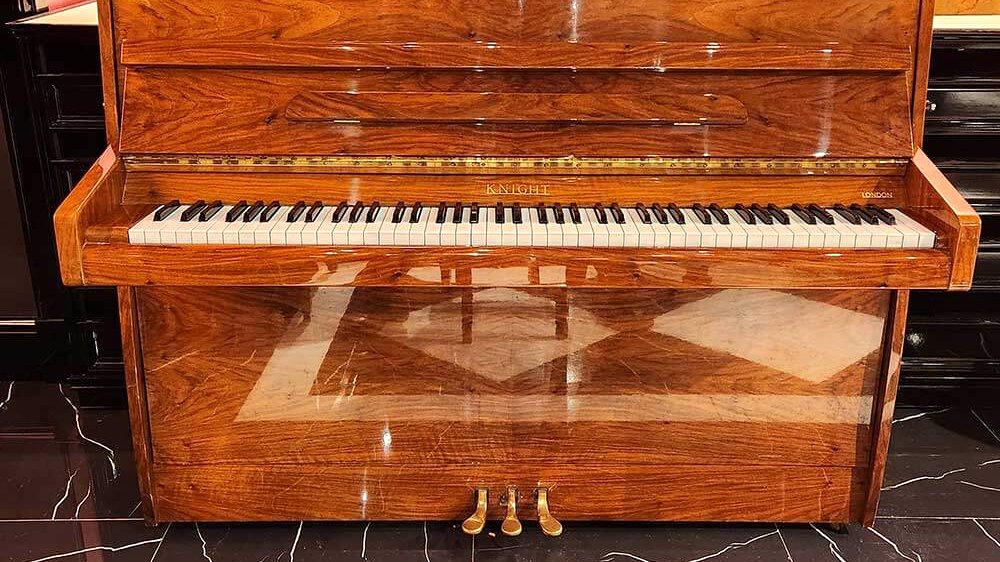
06 Nov Why Piano Pedal Repair in Westchester Protects Your Whole Instrument
Protecting Your Pedals, Preserving Your Piano
A noisy or lazy pedal can seem like a small annoyance. Many families in Westchester hear a squeak during lessons or notice the sustain pedal sticking a little, then decide to live with it for a while. Months go by, the sound feels less clear, the keys feel heavier, and everyone blames the age of the piano or the weather. Often, the real problem started right under their feet.
Pedals are not just metal pieces on the floor. They connect straight into the heart of the piano, into dampers, levers, and parts that shape every note. When something is off in the pedal system, the stress travels up into the action and can change how the entire instrument plays and sounds.
That is why timely piano pedal repair in Westchester is not just about quieting a squeak. It is about protecting touch, tone, and long-term value, especially before indoor heating makes everything drier and stiffer. When the pedals work the way they should, the whole piano can respond the way you expect.
How Pedals Shape Your Tone, Touch, and Technique
Before we talk about repairs, it helps to understand what each pedal does.
On most grand and upright pianos, you will find:
- Right pedal: Sustain or damper pedal
- Left pedal: Soft pedal (una corda on grands, a different softening effect on uprights)
- Middle pedal: Sostenuto on many grands or a practice/muted pedal on many uprights
The right sustain pedal lifts the dampers off the strings so notes keep ringing after you lift your fingers. This is where warmth, resonance, and singing lines come from. If this pedal is slow, weak, or not lifting evenly, you get:
- Muddy chords that do not clear when they should
- Notes that hang too long or stop too suddenly
- A loss of control when changing harmonies
The left soft pedal changes how loudly and brightly the piano speaks. On a grand, it shifts the action slightly so hammers hit fewer strings. On an upright, it usually moves the hammers closer to the strings. When this pedal is not working right, your quiet playing can feel flat or lifeless. It becomes harder to shape phrases or play with true softness.
The middle pedal, whether sostenuto or a practice pedal, adds another layer of control. A faulty middle pedal can:
- Grab notes that should be free
- Fail to hold only the notes you want
- Rattle or buzz during normal playing
When any pedal is off, players start to compensate. Students might press harder, hold notes too long with their fingers, or change where they use pedal just to get around a sticky or noisy mechanism. Over time, that can build bad habits and poor technique.
For serious players, teachers, and students preparing auditions in Westchester, precise pedal response is non-negotiable. Clean pedaling is what separates an average performance from a musical one. Healthy pedals let you:
- Shape classical pieces with clean changes and clear lines
- Color jazz voicings with just the right amount of blend
- Practice exact pedaling for exams and auditions without surprises
When the pedals feel right, every other part of your playing can grow.
Hidden Damage a Faulty Pedal Can Create Inside Your Piano
Under the keys, the pedal system is a long chain of parts. It includes:
- Pedal arms and rods
- Trapwork, which is the wood and metal framework that carries motion inside
- Springs and levers that return things to rest
- Connections to the dampers and action parts that touch the strings
If any link in that chain is off, the stress spreads. Some common problems we see include:
- Misaligned trapwork that rubs against the case or keybed and wears grooves into wood or metal
- Stuck or heavy pedals that strain damper systems every time someone plays
- Loose hardware that clicks, rattles, buzzes, or chews into surrounding parts
A small squeak might come from a dry joint that also has extra friction. A clunk could be a loose screw, but it could also be a lever hitting the case. If these sounds get ignored, the extra movement and rubbing can lead to:
- Damper felt wearing out faster or sitting unevenly on the strings
- Action regulation drifting out of balance so some notes feel heavier than others
- Structural pieces of the trapwork cracking or warping
Early attention keeps many of these problems simple. Waiting often turns a quick pedal adjustment into a larger repair that touches the damper system, key regulation, or more.
Seasonal Stress on Pedals: Why Fall Repairs Matter
In Westchester, we feel clear changes as the weather turns colder. Heaters run, windows stay closed, and the air inside gets drier. Your piano feels those changes too. Wood shrinks or swells, felt can harden, and metal parts expand and contract at different rates.
The pedal system, especially in older grands and uprights, is very sensitive to this. As the season moves deeper into fall, owners often notice:
- Pedals that start to squeak or groan where they were quiet before
- A sustain pedal that starts to stick down for a moment before rising
- A change in pedal resistance, suddenly lighter or heavier
- New little clicks or rattles that were not there in summer
Lubricants inside can dry out faster in heated rooms. Felts that have been compressed for years may respond differently once humidity drops. Wooden parts in the trapwork can shift just enough to rub or bind.
Taking care of piano pedal repair in Westchester in late fall can stop these seasonal shifts from turning into months of frustration. A small tweak before the air gets driest can:
- Keep the action and pedal alignment in sync through winter
- Reduce wear on joints that would otherwise grind all season
- Make tuning and regulation hold better because the whole system is working together
It is easier to keep things aligned as the season changes than to fix several months of extra strain later.
When to Call a Pro for Piano Pedal Repair in Westchester
You do not need to be a technician to know when something feels wrong. It is time to get professional help if you notice:
- A pedal that does not return fully or feels slow coming back up
- One pedal that is much heavier or lighter than the others
- Persistent squeaks, clicks, or clunks that do not go away
- Sustain that hangs too long, cuts off early, or behaves unevenly across the keyboard
- A pedal that feels loose, wobbly, or off center
There are a couple of quick checks you can safely do as an owner:
- Make sure a rug or mat is not blocking the pedal travel
- Look for toys, pencils, or small items that may have slid under the pedals
After that, it is better not to adjust rods, springs, or hardware on your own. A small turn on the wrong screw can:
- Knock your damper timing out of balance
- Throw off regulation that was carefully set by a technician
- Cause parts to scrape or bind in new places
A trained Westchester technician can look at the pedals in the context of the whole instrument. During a pedal visit, it often makes sense to also:
- Check tuning stability and how the piano is reacting to seasonal changes
- Look at action regulation and key touch to keep things consistent
- Talk about humidity control if the piano is in a particularly dry or drafty room
This kind of preventive care keeps problems from stacking up.
Keep Your Westchester Piano Playing Its Best All Year
Healthy pedals protect your entire piano. They support clear sound, natural touch, and good technique for everyone who plays, from beginners to advanced performers. They also reduce hidden stress on the inner parts, helping the instrument stay stable and enjoyable for years.
For piano owners in Westchester and the greater New York area, paying attention to small pedal changes, especially as the air gets drier, is one of the simplest ways to care for a valuable instrument. At Ford Piano in Yorktown Heights, we understand how much your piano means to your home, your teaching studio, or your performance work, and we treat each instrument with that level of care.
Pedal Repair at Ford Piano

Worn pedals are one of the everyday repairs our technicians handle, along with sticky keys, broken strings and regulation. The work can be done in your home or in our Westchester shop. If you hear a squeak or feel a lazy pedal, mention it when you request a visit on our tuning and repair page, and the technician can check the pedals at the same appointment.
Related guides
- When Piano Tuning in Westchester Becomes an Urgent Repair
- Emergency Piano Repair in Westchester: Safety Steps and When to Call Pros
- What Piano Hammer Replacement Does for Your Instrument’s Voice
Get Started With Your Project Today
If your pedals are noisy, unresponsive, or affecting your playing, we can restore their feel and sound with expert piano pedal repair in Westchester. At Ford Piano, we carefully evaluate your instrument so the repair fits your piano’s age, use, and musical needs. Tell us what you are experiencing and we will recommend clear next steps and a convenient service time. Have questions or ready to schedule an appointment now? Just contact us and we will follow up promptly.
Frequently Asked Questions
Why is my piano sustain pedal squeaking or sticking?
A squeaking or sticky sustain pedal often comes from dry joints, loose hardware, worn parts, or misaligned pedal mechanisms. Because the pedal connects to the dampers inside the piano, ignoring the problem can affect tone, sustain, and overall playability.
What is included in piano pedal repair?
Piano pedal repair may include adjusting pedal rods and trapwork, tightening loose hardware, lubricating moving joints, and correcting worn or misaligned parts. A technician also checks that the pedals operate the dampers and action evenly.
What is the difference between the sustain, soft, and middle piano pedals?
The right pedal is the sustain pedal, which lifts dampers so notes continue ringing after keys are released. The left pedal softens the sound, while the middle pedal may hold selected notes on a grand piano or activate a practice mute on many upright pianos.
Can a faulty piano pedal damage other parts of the piano?
Yes, a faulty pedal can create extra friction and strain in the pedal rods, trapwork, dampers, and action parts. Over time, rubbing, loose hardware, and uneven movement can wear down felt, wood, and metal components.
When should I schedule piano pedal repair in Westchester?
Schedule service if a pedal squeaks, sticks, rattles, feels unusually heavy, or does not control the sound consistently. Prompt repair is especially helpful before dry indoor heating conditions make wood, felt, and moving parts stiffer.
No Comments